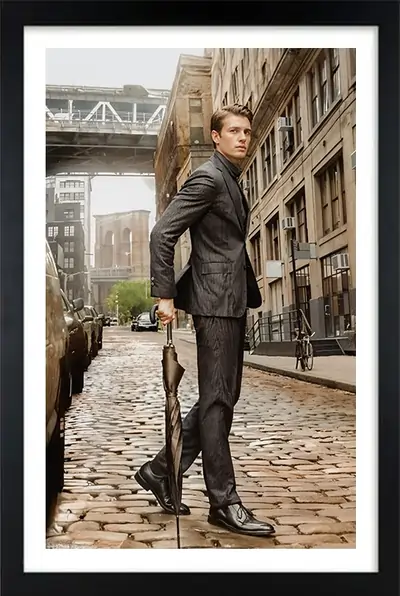
Rain may appear harmless to leather at first.
But beneath the surface, moisture alters structure, texture, and balance in ways that are not always immediately visible.
At the atelier, we frequently receive boots that appear salvageable externally, while internally the leather has already begun to stiffen, warp, or dry unevenly.
Water damage is rarely about surface spotting alone.
What Moisture Does to Leather
Leather naturally contains oils that maintain flexibility and strength.
When saturated, those oils become displaced.
As the leather dries improperly, it may:
- Harden
- Shrink unevenly
- Crack over time
- Lose structural integrity
This is especially common in:
- Leather boots
- Heavy stitched footwear
- Vegetable-tanned leather
- Suede and nubuck finishes
Common Mistakes After Rain Exposure
Many people attempt to accelerate drying.
This often creates more severe damage.
Avoid:
- Hair dryers
- Direct sunlight
- Heaters
- Aggressive brushing while wet
Rapid drying creates internal stress within the leather fibers.
The Proper Restoration Process
Professional restoration focuses on controlled recovery.
At The Leather Laundry House, treatment may involve:
- Slow moisture stabilization
- Internal conditioning
- Shape correction
- Surface refinement
- Reconditioning of dried leather fibers
The objective is not simply drying the boot. It is restoring equilibrium to the material.
When Water Damage Requires Professional Attention
Professional care is recommended when:
- Leather becomes stiff after drying
- White marks or tide lines appear
- Boots lose shape
- The leather darkens unevenly
These are indicators that the material itself has been affected.
Conclusion
Leather responds to environment. The way it dries determines how it ages.
Proper restoration preserves not only appearance—but longevity.